


Oh hey, how’s it going? You want to talk about Dungeons & Dragons you say? Well you’ve come to the right place, though I have to admit this week will be a short one as there’s a lot I’m juggling at the moment. I’m still not done with my in-depth review of Arcana Unleashed: Deadfall (I know, I know, why is it taking so long), and we’re a couple weeks away from being able to dig into World of Warcraft.
But then I realized I should spend some time talking about creating a west marches style game set in Barovia for my 4th grader and her friends! Okay, I’m sure some of you read that line and did a double-take. That’s a lot to swallow so let’s save it for a longer piece when I have more time to get into the details (I’m still figuring plenty of them out anyways). Instead, let me tell you what I’ve learned in the past year or so that I’ve been DM’ing for my kid and their friends.
Lesson One: Lean into the Story
Kids love stories in a way that is truly astonishing. Whether its a quick bedtime story or an epic tale told through a dozen graphic novels, there is no amount of story telling that children won’t absolutely adore. I use Dungeons & Dragons as the story telling vehicle because it’s simple, and has popular brand recognition, plus there’s so many, many stories ripe for telling that are already setup for use by a DM (especially if you’re a parent with limited prep time).
So my first piece of advice when running a game for kids between 8 and 12 is to really lean into the storytelling. Have them come up with back stories. Weave them into the campaign. Tell them all about what’s going on in the world they’re in. They won’t care if it’s saving the world from an ancient dragon or helping a local shop owner with some riff raff. They love stories. Give them plenty of stories and make their characters part of the story.


Castle Ravenloft in the Mists, by Bastien Grivet
Lesson Two: Don’t Worry About Mechanics
Yes, Dungeons & Dragons is a game and the character options are incredibly deep. That is, after all, one of the primary allures of the system. Similar to Pathfinder, there’s just so many options to choose from between species, class, subclass, and then the options after that. The upcoming World of Warcraft shows how to take that system and make MMORPG characters. I can only assume Star Wars will similarly show the flexibility of the core character option system.
But if you’re running a game for elementary school kids, don’t worry too much about the mechanics. Find out what they want to do. Give them options and choices sure, but after you get the basic ideas (I want to wield a big axe and fight for justice, or I want to do acrobatics and use martial arts to defeat enemies) then you make the characters and you tell them what to roll. This part is more work for the DM, and I rely heavily on D&D Beyond to pull up everyone’s character sheet.
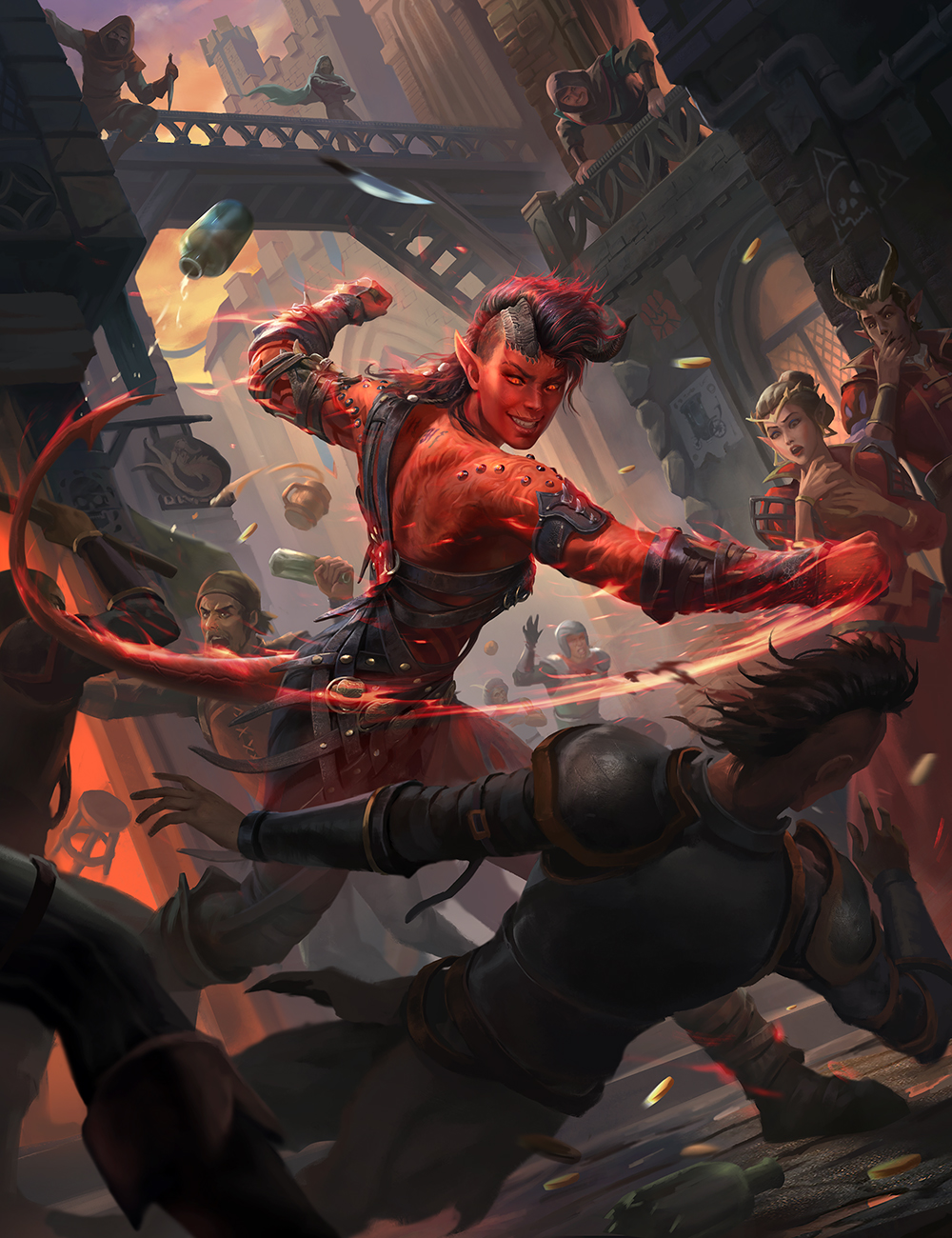
The reality is, until they have more experience with games and decision-making and strategy in general, putting them on the spot to figure out which 2nd-level spell is the right one to cast in the midst of combat is not going to be productive. You know the challenge, you know what they can do. Again, lean into the story, tell them their options.
“You’re up against the wall of the cave and your party’s fighter is going toe-to-toe with the giant zombie. You have your bow and arrow ready to fire and if you want to add in some extra damage you can use Hunter’s Mark. Are you going to fire off some arrows or do you want to reposition yourself and move a bit further away first?” is a conversation I’ve had with the party’s ranger. It gets them into the moment and helps them make a decision, with options, but without being overwhelmed.
Lesson Three: Set the Mood with Music
The first few adventures we did were a lot of fun and I introduced the kids to plenty of common environmental aids such as a dry-erase map, miniatures, large cardstock displays for boss fights, and so on. But it wasn’t until I started playing atmospheric music that the kids were all in. Exploring a creepy old mansion? I had the score of the Exorcist ready to go. Fighting through goblins in a cavern dungeon? You can find plenty of adventure music from your favorite video games. Boss fights? Get some boss fight music going. Make it epic.
And, let me tell you, the first time we finished combat with me hitting play on the Final Fantasy victory theme they went nuts. They’d just had their first fight of a new adventure, an animated suit of armor against the level two party. And after a few rounds they final struck the killing blow. I played the theme and they all got up and started dancing. Honestly, it’s a top-10 moment as a parent (so far).
So if you’re going to be running a game for kids, or honestly for plenty of groups of adults, follow this advice and keep them in the game and in the mood for a fun shared adventure experience.
Rich Stein (He/Him) has been playing D&D since 3rd Edition and has been a Dungeon Master since college. His favorite class is Wizard and while plenty of other systems have their allure (his personal favorites are Hackmaster and Fabula Ultima) there’s no beating the classic D&D when you’re looking for some heroic adventures with your kids.